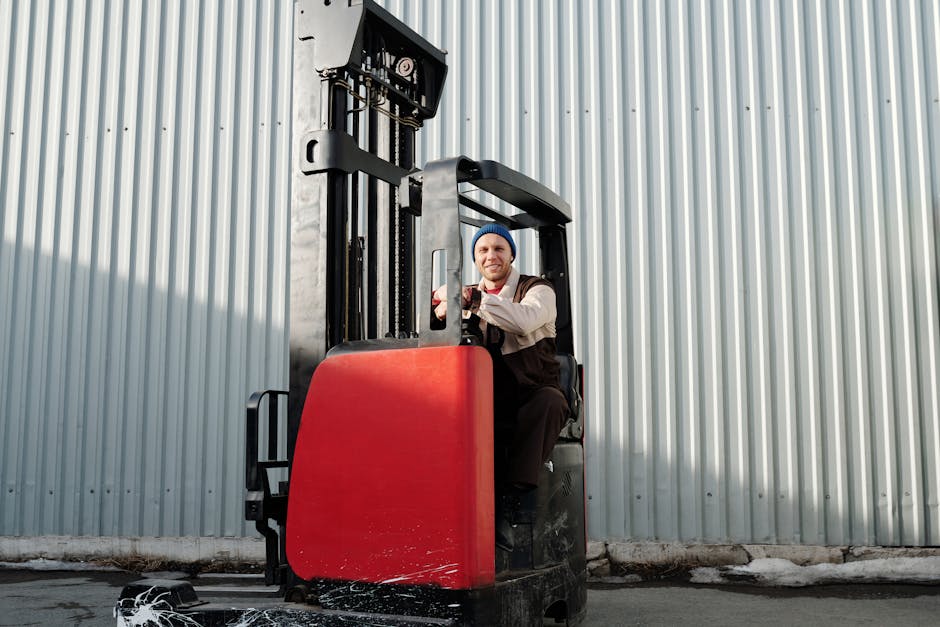
In modern warehouses, the integration of forklift AGV technology has revolutionized the way goods are moved and organized. As the demand for faster and more efficient operations continues to grow, companies are turning to forklift AGVs to streamline their processes and maximize productivity.
By combining the power and precision of forklifts with the autonomy and flexibility of AGVs, businesses can achieve a new level of operational efficiency. The benefits of forklift AGV integration extend beyond simple automation, offering increased accuracy, speed, and scalability in warehouse tasks.
The Evolution of Forklift AGVs in Warehousing
Forklift AGVs have significantly transformed the landscape of warehousing operations over the years. With advancements in technology, these automated guided vehicles have become indispensable tools for streamlining tasks and enhancing efficiency in warehouses.
The evolution of forklift AGVs can be traced back to the early days of automation in logistics and supply chain management. Initially, these vehicles were simple and rudimentary, performing basic tasks with limited capabilities.
As technology continued to progress, forklift AGVs have become increasingly sophisticated, equipped with advanced sensors, cameras, and software that enable them to navigate complex warehouse environments with precision.
One of the key factors driving the evolution of forklift AGVs is the growing demand for faster and more efficient warehouse operations. Companies are constantly seeking ways to optimize their supply chain processes and reduce operational costs, making automation a vital component of modern warehousing.
Today, forklift AGVs play a crucial role in enhancing productivity and accuracy in warehouses, allowing for streamlined material handling and inventory management. Their ability to work autonomously and adapt to changing environments makes them valuable assets for businesses looking to stay competitive in the digital age.
Looking ahead, the evolution of forklift AGVs is expected to continue as technology continues to progress. Companies will increasingly rely on these automated vehicles to streamline their operations, improve efficiency, and meet the growing demands of the modern warehouse environment.
Overcoming Challenges in Forklift AGV IntegrationOvercoming Challenges in Forklift AGV Integration
Integrating forklift AGVs into warehouse operations can bring numerous benefits…
Embracing this advanced technology requires thorough planning and strategizing…
One of the challenges faced in forklift AGV integration is…
Despite the initial hurdles, overcoming challenges in forklift AGV integration…
Ensuring seamless communication between forklift AGVs and existing systems…
Training personnel to work alongside forklift AGVs is crucial for successful integration…
Overcoming challenges in forklift AGV integration requires collaborative effort…
Adopting a proactive approach to address challenges in forklift AGV integration…
The Benefits of Integrating Forklift AGVs in Modern Warehouses
Integrating forklift AGVs in modern warehouses offers a multitude of advantages in terms of efficiency and productivity. These automated guided vehicles provide a seamless solution for material movement within the warehouse, reducing the need for manual labor.
One of the key benefits of incorporating forklift AGVs is the significant improvement in operational efficiency. By automating the transport of goods, companies can streamline their workflow and minimize delays in the supply chain.
The integration of forklift AGVs leads to increased safety within the warehouse environment. These vehicles are equipped with advanced sensors and technology that enable them to navigate through the space without posing a risk to human workers.
Another advantage of forklift AGV integration is the potential cost savings for businesses. By reducing the labor required for material handling tasks, companies can allocate resources more effectively and achieve higher levels of profitability.
In addition to the operational benefits, the integration of forklift AGVs can also enhance the overall customer experience. With faster and more accurate order fulfillment, businesses can improve customer satisfaction and loyalty.
The benefits of integrating forklift AGVs in modern warehouses extend beyond operational efficiency, encompassing safety, cost savings, and customer service improvements. As technology continues to advance, the role of automated guided vehicles in warehouse management will only become more prominent.
The Evolution of Forklift AGVs in Warehousing
Forklift AGVs have undergone significant transformations over the years, adapting to the ever-changing needs of modern warehouses. These automated guided vehicles have revolutionized the way goods are transported and organized within warehouse facilities.
Originally designed to perform basic tasks, forklift AGVs now boast advanced navigation systems that allow for seamless movement throughout the warehouse. This evolution has paved the way for increased productivity and efficiency in warehouse operations.
With the incorporation of innovative technology, forklift AGVs have become more versatile and adaptable to various warehouse environments. They can now handle complex tasks with precision and accuracy, reducing the margin of error in logistics processes.
The integration of forklift AGVs in warehousing has also led to a reduction in labor costs and improved overall safety standards. By automating repetitive tasks, these vehicles free up human workers to focus on more strategic roles within the warehouse.
As the demand for faster delivery times and greater efficiency continues to rise, the evolution of forklift AGVs remains a pivotal aspect of modern warehouse management. The ongoing advancements in this technology are driving warehouses towards a more streamlined and automated future.
Enhancing Safety with Forklift AGV Technology
Forklift AGV technology plays a pivotal role in enhancing safety within warehouse operations. By automating the movement of goods, AGVs reduce the risk of accidents caused by human error or fatigue.
One of the key benefits of integrating Forklift AGVs is their ability to navigate warehouse spaces efficiently while adhering to predefined safety protocols. This ensures a smooth and secure operation without compromising on worker safety.
With the implementation of Forklift AGV technology, warehouses can significantly minimize the risk of collisions and other accidents that may occur in a busy working environment. The advanced sensors and AI capabilities of AGVs contribute to a safer workplace for employees.
Forklift AGVs are designed to operate in compliance with industry safety standards, providing an additional layer of security within warehouse settings. Companies can mitigate potential hazards and create a secure environment for both employees and equipment.
The integration of Forklift AGV technology not only boosts operational efficiency but also prioritizes safety in warehouse environments. With the continuous advancements in AGV technology, businesses can further enhance safety measures and ensure a secure working environment for all personnel.
In recent years, the utilization of Forklift AGVs in warehousing operations has significantly evolved, transforming traditional warehouse setups into advanced automated facilities. These machines, equipped with cutting-edge technology, have revolutionized material handling processes within warehouses.
One of the key benefits of integrating Forklift AGVs in modern warehouses is the substantial increase in operational efficiency they bring. The automation of tasks such as loading, unloading, and storage optimizes workflow and reduces the time required to complete complex logistics processes.
Implementing Forklift AGVs is crucial for achieving heightened efficiency levels in warehouse operations. These autonomous vehicles can navigate through the warehouse environment with precision, executing tasks accurately and swiftly, which in turn enhances productivity and output.
Despite the numerous advantages Forklift AGVs offer, there are challenges that come with integrating them into warehouse operations. Overcoming these obstacles, such as programming complexities and safety concerns, is essential for successful implementation and reaping the benefits of this technology.
Enhancing safety in warehouse operations is paramount, and Forklift AGV technology plays a significant role in achieving this goal. With advanced safety features such as obstacle detection sensors and collision avoidance systems, the risk of accidents within the warehouse environment is greatly reduced.
The future of Forklift AGVs in warehousing operations looks promising, with ongoing advancements in technology leading to even more efficient and sophisticated machines. As technology continues to evolve, Forklift AGVs will likely play an increasingly vital role in shaping the future of warehousing and logistics.
Conclusion
The integration of forklift AGVs in modern warehouses is revolutionizing the way goods are moved and managed. These advanced technologies offer numerous benefits, from increased efficiency and productivity to enhanced safety measures. Implementing forklift AGVs can help businesses overcome various challenges in warehouse operations, leading to smoother workflows and optimized processes.
Looking ahead, the future of forklift AGVs in warehousing operations seems promising, with continuous advancements in technology and automation. By embracing these innovations, companies can stay competitive, reduce operational costs, and adapt to the evolving demands of the industry. Forklift AGV technology is set to redefine the logistics landscape and set new standards for efficient warehouse management.
As businesses strive to improve their operations and stay ahead of the curve, integrating forklift AGVs will play a crucial role in streamlining processes and maximizing productivity. With a focus on safety, efficiency, and adaptability, forklift AGVs are poised to become an essential tool in the modern warehouse environment, driving innovation and transformation across the supply chain.